Introduction
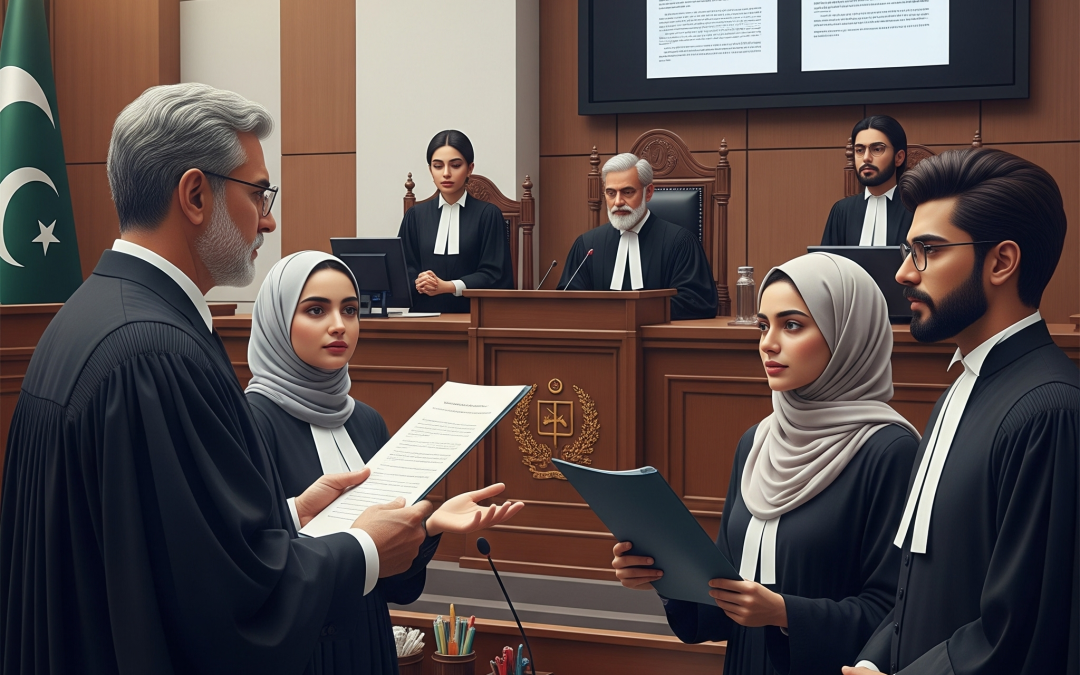
In Pakistan, where the divine principles of Sharia intersect with the evolving demands of modern jurisprudence, legal dilemmas often require more than textbook solutions—they demand wisdom. At The Justice Bridge, we navigate this delicate balance daily, helping clients reconcile Islamic values with contemporary legal frameworks. Whether you’re a business owner drafting Sharia-compliant contracts or an individual facing novel ethical questions, this guide illuminates the path forward through Pakistan’s unique dual legal system
Pakistan’s legal system stands at a unique crossroads where Islamic jurisprudence intersects with modern constitutional law. With 97% of Pakistan’s laws complying with Sharia principles (Federal Shariat Court, 2023), professionals and citizens alike face challenges in navigating this dual system. This article explores practical solutions for contemporary legal issues through an Islamic lens.
Key Sections
A. The Constitutional Framework
- Article 227: All laws must conform to Quran and Sunnah
- Case Study: Islamic Republic v. Gul Hassan Khan (2019) – Redefining banking laws
B. Modern Challenges with Sharia Compliance
- Digital Finance: Riba-free alternatives to conventional banking
- Family Law: DNA evidence in paternity cases under Islamic evidentiary rules
- Business Contracts: Avoiding gharar (uncertainty) in modern agreements
C. Practical Guidance
- How to verify Sharia compliance of contracts (Checklist included)
- When to consult both legal and religious scholars
Conclusion
“The harmonization of Sharia and statutory law isn’t theoretical – it’s a daily practice in Pakistani courts,” says Advocate Ahmed Raza (Lahore High Court).